

UX, UI, ADA, HTML, CSS PRINCIPLES
How did I use UX and UI?
I designed this site with the user in mind, which is arguably the most important characteristic of a successful UX design. I used a standard top navigation system and clear section headings to reduce confusion and offer clarity. I reduced the number of choices available per screen and ensured consistent, but creative layout.
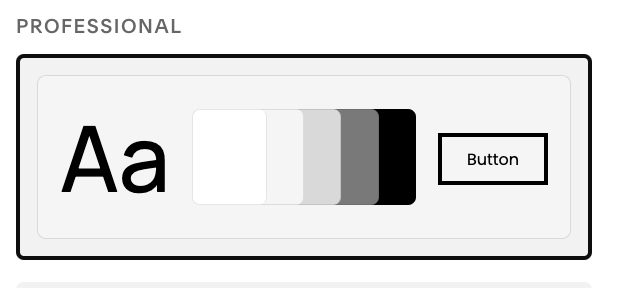
I ensured font and color was consistent across all pages. I applied Fitt’s Law to ensure clickable elements of my site have adequate space and are appropriately sized.
My Original Template
My truth is that I forgot to take screen shots of my template before I began working. Though I followed a theme of fonts and colors, the design I mostly came up with. I figured out a away to reverse search which Squarespace template a site uses through viewing the page sources. With that, I found the template ID:
5c5a519771c10ba3470d8101
How did I comply with ADA?
The use of semantic HTML tags is important when abiding to ADA guidelines. I began adding alt text for images as well and tried to keep my images high contrast while keeping the aesthetic of the page (to match WCAG guidelines). All interactive elements of my site should have the ability to be used via keyboard in order to comply as well.
How did I utilize HTML and CSS?
When using HTML, I made sure my semantic tags were clearly structured. (For example, on my services page, each headline for each service uses <h2>. My CSS uses a responsive layout in order to be usable on multiple screen-types. Font sizes and media queries are able to adjust seamlessly depending on which screen size the site is being viewed on.